They Survived, He Lived: The Quiet Distance Between Survival and Living
A reflective personal development essay on the quiet difference between surviving and truly living, exploring responsibility, routine, creativity, and the small choices that bring life back into focus.

Amirul Sizan
Author
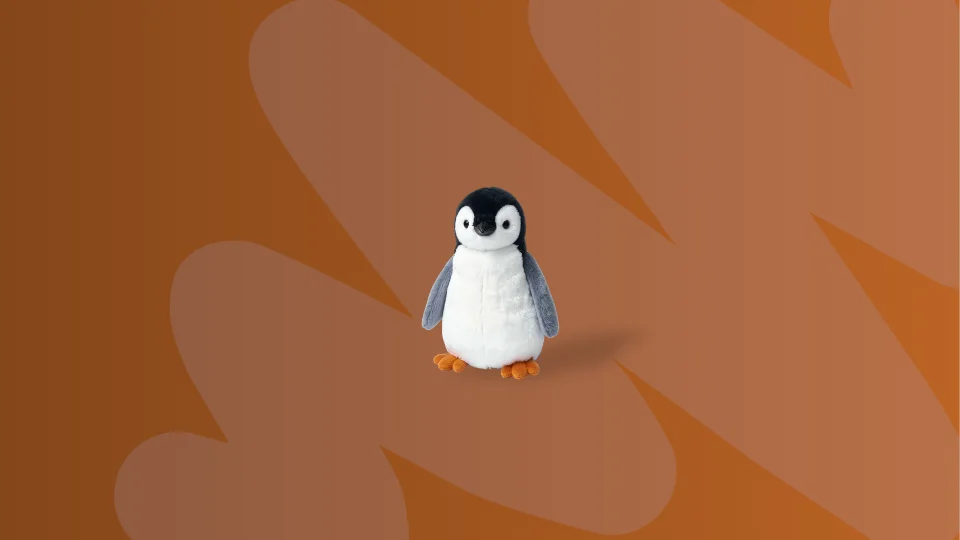
The phrase “They survived, he lived” has been appearing all over social media, often paired with the image of a lone penguin that somehow made it against the odds. At first glance, it feels inspiring. A reminder of resilience. A symbol of hope.
But the more I saw it, the more uncomfortable it made me feel.
Because deep down, most of us are not really living. We are surviving. And we have slowly learned to confuse the two.
When Life Becomes a Checklist
Survival looks productive. You wake up on time. You show up. You meet deadlines. You pay bills. You fulfill responsibilities. From the outside, everything appears stable, even successful.
But living is not a checklist.
Living has pauses. Living has curiosity. Living allows space for boredom, exploration, mistakes, and meaning. Survival, on the other hand, is always in a hurry. There is always something urgent. Something that cannot wait. Something that demands your energy today, not someday.
That is how the 9 to 5 routine becomes more than a job. It becomes a boundary around your thinking. You stop imagining life beyond it, not because you lack dreams, but because you lack mental space.
The Cost of Responsibility
Responsibility is not the enemy. It keeps us grounded. It gives structure. It gives purpose. But when responsibility becomes the only language of life, something inside us quietly fades.
Many of us grow up believing that once responsibilities are fulfilled, living will begin. That one day, after stability, after security, after approval, we will finally choose ourselves.
That day rarely comes.
Instead, we become very good at surviving. We become dependable. Reliable. Strong. And slowly, we forget the parts of us that were curious, expressive, and alive.
This is when we start resembling characters like Jahangir from Utsab. Present in the room, absent in the self.
Why We Cannot Be the Lone Penguin
The idea of the lone penguin is romantic. One figure standing apart, discovering itself, choosing a different path.
Real life does not work that way.
We do not live alone. We carry families, expectations, financial pressure, social roles, and silent obligations. We cannot simply walk away. We cannot disappear to find ourselves. We have to bring everyone with us, or not move at all.
So we stay. We adjust. We compromise. And we tell ourselves this is maturity.
But somewhere along the way, we stop asking who we are becoming.
When Creativity Goes Quiet
There was a time when you wanted to write. Or draw. Or build something that had no clear outcome. Not for money. Not for validation. Just because it felt honest.
That desire does not disappear. It gets buried.
Survival has no room for unfinished thoughts or useless beauty. Everything must justify its existence. Everything must be productive. Slowly, the mind stops wandering. The eyes stop noticing. The hands stop creating.
You are still functioning. But something essential is missing.
The Two Centimeter Gap
The distance between survival and living is not dramatic. It is not a life changing event. It is not a bold decision or a viral moment.
- It is small. Almost invisible.
- It is choosing rest without guilt.
- It is creating without an audience.
- It is saying no without explanation.
- It is remembering that your worth is not measured by how much you endure.
That distance might be only two centimeters, but crossing it changes how life feels.
You Do Not Need to Escape
Living does not require quitting your job, abandoning your responsibilities, or becoming someone else.
It requires honesty. Honesty about what is draining you. Honesty about what you miss. Honesty about how long you have been postponing yourself. Living begins when survival stops being your only identity.
Final Thought
They survived. He lived.
Most of us are somewhere in between, standing very close to the line, unsure whether we are brave enough to cross it.
The question is not whether you are strong enough to survive. You already are. The question is whether you will allow yourself to live.